
Where Can a Phlebotomist Work? Your Gateway to Healthcare Careers
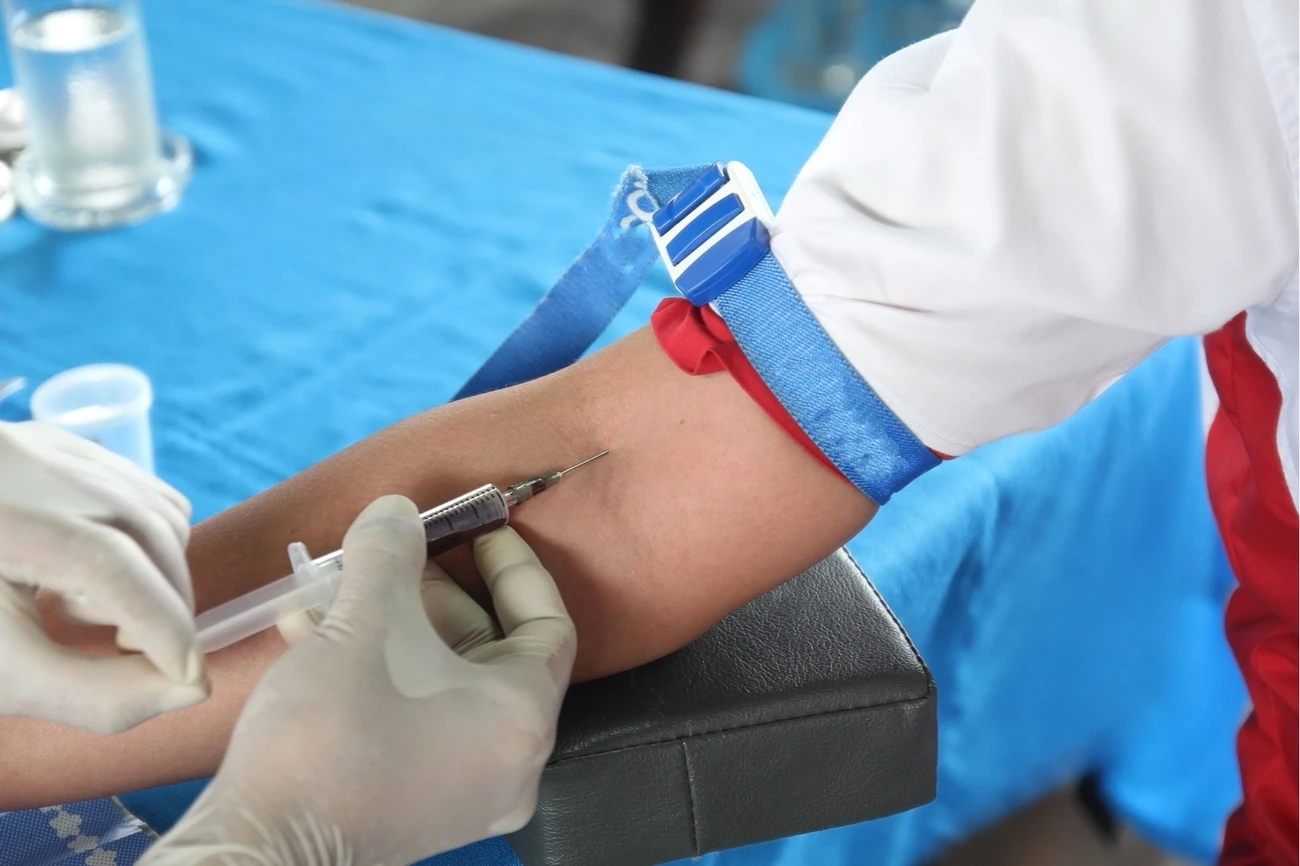
Where can a phlebotomist work? The answer might surprise you with its breadth. Phlebotomy professionals enjoy access to diverse employment settings that extend far beyond traditional hospital walls. From bustling diagnostic laboratories and mobile blood collection services to research facilities and insurance companies, the options are extensive. Each work environment offers distinct advantages, including varied schedules, patient interactions, and career advancement opportunities. This guide explores traditional healthcare settings, specialized work environments, and what to expect in each role, as well as practical tips for choosing the workplace that aligns with your professional goals and lifestyle preferences.
Traditional Healthcare Settings for Phlebotomists
Most phlebotomy professionals begin their careers in traditional healthcare settings where blood collection forms the backbone of patient diagnosis and treatmentÌý. These environments provide foundational experience and stable employment opportunities for both new graduates and seasoned technicians.
Hospitals and Medical Centers
Hospitals represent one of the most common workplaces for phlebotomy techniciansÌý. The environment moves at a rapid pace, requiring skilled professionals who can efficiently collect blood samples from patients of all agesÌý. Your responsibilities will range from routine diagnostic tests to emergency blood draws where timing matters.
Some phlebotomists gain experience in specialized hospital departments. The emergency room demands quick, accurate collection under pressure. Labor and delivery units require gentle techniques for newborns and postpartum mothersÌý. These specialized areas expand your skill set beyond standard venipuncture procedures.
Diagnostic Laboratories
A high percentage of phlebotomy technicians work in diagnostic or medical laboratoriesÌý. Clinical laboratories play a vital role in healthcare delivery by providing the testing foundation for patient diagnosis and treatmentÌý. Working in a lab shifts your focus from patient interaction to the technical aspects of blood handling.
Your responsibilities extend beyond collection. You’ll analyze blood samples, process specimens according to strict protocols, and maintain accurate patient recordsÌý. This behind-the-scenes work reveals how blood testing directly impacts healthcare decisionsÌý. Labs offer a controlled environment where precision and attention to detail take priority over speed.
Doctor’s Offices and Outpatient Clinics
Phlebotomists find employment in various medical offices, from primary care practices to specialty clinics focusing on oncology or cardiologyÌý. Outpatient phlebotomy positions place you in doctor’s offices or blood draw clinics where the pace differs from hospital settingsÌý.
Clinics provide a more intimate work environment. You’ll build relationships with patients who need regular blood work, becoming a familiar face during their healthcare journeyÌý. This setting allows close collaboration with healthcare providers and allied health professionalsÌý. The regular patient interactions create continuity of care that larger facilities cannot match.
Nursing Homes and Long-Term Care Facilities
Phlebotomy technicians also work in nursing homes and assisted living facilities serving elderly populationsÌý. These settings present unique challenges as you collect blood samples from residents with complex medical conditions or mobility limitationsÌý.
Your duties in nursing homes include performing venipunctures across all age groups, handling off-site specimen collection, conducting EKG tests, taking vitals, and communicating with nursing staff about patient statusÌý. Working with elderly residents requires patience, compassion, and excellent communication skills to ensure comfort and safety during blood collectionÌý. This setting allows you to impact vulnerable populations who need consistent healthcare servicesÌý.
Specialized Work Environments
Beyond conventional medical facilities, phlebotomists find rewarding opportunities in specialized settings that serve unique healthcare needs. These non-traditional workplaces offer distinct career paths with varied responsibilities and patient populations.
Blood Donation Centers
Blood collection organizations represent a significant employment sector for phlebotomy professionals. The Red Cross alone collects, tests, and distributes over 5 million life-saving units of blood annually, providing nearly half of the nation’s blood supplyÌý. This massive operation creates steady demand for skilled phlebotomists across the country.
Regional blood centers serve their local communities with equal dedication. The Central California Blood Center serves a population base of over 1.9 million people, collecting between 5,000 and 6,000 units monthly to meet healthcare providers’ needsÌý. These facilities maintain critical blood inventories that hospitals depend on for surgeries, trauma care, and ongoing patient treatments.
Working at blood donation centers differs from clinical phlebotomy in meaningful ways. The role often includes donor recruitment responsibilities alongside blood collectionÌý. You’ll interact with healthy volunteers rather than patients seeking diagnosis or treatment. Many centers provide their own paid training programs, recognizing that blood donation procedures require specialized techniquesÌý. Sign-on bonuses reaching up to $2,000 demonstrate how actively these organizations recruit qualified professionalsÌý.
Mobile Phlebotomy Services
Mobile phlebotomy brings healthcare services directly to patients who cannot easily travel to medical facilities. Phlebotomists in these roles perform venipuncture and specimen collection at various locations, including private homes, workplaces, and community centersÌý. This flexibility serves elderly patients, those with mobility challenges, and busy professionals needing routine lab work.
The position demands strong organizational skills coupled with technical proficiency. You’ll collect, label, and process specimens according to established protocols while maintaining aseptic techniques to prevent contaminationÌý. Documentation accuracy becomes paramount as you work independently at multiple sites. HIPAA compliance and patient confidentiality remain non-negotiable responsibilities regardless of locationÌý.
Mobile phlebotomy compensates for the additional travel and independence required. Pay rates range from $12 to $30 per hour depending on experience and geographic locationÌý.
Research Facilities and Clinical Trials
Research institutions employ phlebotomists to support clinical studies and medical research. Your responsibilities extend beyond standard blood collection to include testing and evaluating samples according to research protocolsÌý. This work contributes directly to medical advances and new treatment discoveries.
Research phlebotomy requires meticulous attention to specimen handling. You’ll maintain strict storage and sanitation practices that meet research standardsÌý. The controlled environment allows you to develop specialized skills in sample preservation and chain-of-custody procedures.
Insurance Companies and Occupational Health Centers
Insurance companies hire phlebotomists to conduct medical examinations for policy applicants and employment screenings. These positions involve verifying patient coverage and processing insurance-related documentationÌý. Occupational health centers similarly employ phlebotomists for workplace wellness programs and pre-employment physicals. The work follows predictable schedules without the unpredictability of hospital environments.
What to Expect in Different Phlebotomy Work Settings
Understanding the daily realities of each work setting helps you make informed career decisions. The work experience varies significantly depending on whether you choose hospitals, laboratories, clinics, or mobile services.
Fast-Paced Hospital Environments
Hospital labs operate as high-stress environments where timing mattersÌý. Phlebotomists work day, evening, or night shifts, including weekend and holiday hoursÌý. This schedule mirrors nursing patterns, with 1-2 days off per week following extended shift rotationsÌý. The 24/7 coverage requirement means you’ll adapt to changing schedules throughout your employment.
The patient population presents constant variety. You’ll interact with acutely ill patients, pediatric cases, and elderly individuals requiring specialized techniquesÌý. Emergency departments demand quick thinking as you collect blood samples from patients who may be scared, disoriented, or experiencing medical crisesÌý. Some patients wake from sleep for necessary blood draws, requiring both technical skill and compassion during vulnerable momentsÌý.
Hospital phlebotomists spend the majority of their time on their feet, moving between patient rooms and laboratory areasÌý. You’ll collect specimens at bedsides, in outpatient clinics, and across specialized units including intensive careÌý. Varying degrees of patient acuity mean some samples prove more difficult to obtain than othersÌý. The breadth of experience encompasses nearly all patient care units, creating exposure to diverse medical conditions.
Steady Routine in Laboratory Settings
Reference laboratories and diagnostic facilities offer a different pace. These high-volume facilities process large numbers of specimens from multiple sourcesÌý. Working hours may include overnight shifts and weekends to accommodate continuous specimen flowÌý. However, the focus shifts from patient interaction to technical processing tasks.
Phlebotomists in laboratory settings may not have direct patient contactÌý. Your responsibilities center on sample collection, proper labeling, storage, and processing according to strict quality control measuresÌý. This behind-the-scenes work requires collaboration with lab technicians and other professionals to streamline testing processes and improve efficiencyÌý. The environment exposes you to cutting-edge technology and advancements in medical testingÌý.
Patient-Focused Clinic Work
Private clinics and physician offices provide a more relaxed atmosphere compared to hospital labsÌý. Work hours typically follow standard 9-5 schedules without evening or weekend shiftsÌý. This predictable schedule appeals to phlebotomists seeking better work-life balanceÌý.
The clinic environment allows you to develop long-term relationships with patients who visit regularly for ongoing careÌý. You’ll communicate effectively with patients, collecting relevant medical history and addressing concerns about blood draw proceduresÌý. Working closely with healthcare providers ensures timely and accurate test results for patient careÌý. The intimate work environment creates opportunities for professional growth within the clinic or healthcare organizationÌý.
Flexibility in Mobile Phlebotomy
Mobile phlebotomy positions offer unmatched scheduling flexibility. You can set your own availability and accept only jobs that fit your scheduleÌý. Some positions offer PRN hours between 6:00 am-8:00 pm Monday-Friday with weekend rotationÌý. Others provide complete control, allowing you to work when and where you want with no nights or weekends requiredÌý.
Mobile blood collection technicians receive assignments two weeks in advance, traveling to different locations weeklyÌý. The varied schedule takes you to community blood drives, patient homes, and workplace wellness programs. Base pay reaches $50.00 plus mileage compensation for independent contractorsÌý.
Career Paths Beyond Entry-Level Phlebotomy
Phlebotomy experience opens doors to numerous healthcare careers that offer increased responsibility, higher salaries, and expanded scope of practice. Your blood collection skills provide a solid foundation for advancement into specialized roles across multiple disciplines.
Phlebotomy Supervisor and Lead Positions
Experienced phlebotomists can transition into supervisory roles overseeing department operations and staff management. Positions such as lead phlebotomist, preceptor for new hires, lab supervisor, or mobile phlebotomy team leader come with increased pay, better hours, and additional benefitsÌý. Supervisors coordinate daily operations including staff scheduling, inventory management, and budget oversightÌý. They train new employees, enforce compliance with laboratory protocols and safety regulations, and ensure blood samples get collected accurately before deadlinesÌýÌý. Strong leadership and communication abilities prove vital for managing teams effectivelyÌý. After three years in a hospital lab, one phlebotomist became shift lead for a six-person team, managing scheduling, training, and new technology implementation while earning $51,000 annuallyÌý.
Medical Assistant
Phlebotomy certification creates a natural pathway to medical assistant roles that combine clinical and administrative responsibilities. Medical assistants with phlebotomy skills handle patient vital signs, examination room preparation, medication administration, and venipunctureÌý. The transition proves straightforward since phlebotomy training covers medical terminology, patient interaction, and infection control practices that medical assistants use dailyÌý. In Texas, certified medical assistants earn approximately $40,200 compared to $36,900 for phlebotomistsÌý. The national median reaches $43,350Ìý. Most programs take 8-10 weeks to completeÌý, and the field shows projected growth of 14% through 2032Ìý.
Clinical Lab Technician
Medical laboratory technicians analyze blood, urine, and tissue samples to diagnose diseases and assess treatment effectivenessÌý. The role demands precision in conducting tests, measuring chemical components, identifying pathogens, and performing cell countsÌý. An associate degree in clinical laboratory science typically takes two yearsÌýÌý. Certified lab technicians earn between $50,000 and $70,000 compared to phlebotomists who earn $35,000 to $50,000Ìý. The national median stands at $62,870Ìý. Employment for clinical lab technicians shows projected growth of 7% through 2032Ìý. Specialization opportunities include microbiology, hematology, and molecular biologyÌý.
Registered Nurse
Many registered nurses began their healthcare careers in phlebotomyÌý. Becoming an RN requires completing an accredited nursing program and passing the NCLEX-RN examÌý. Programs include coursework in anatomy, physiology, pharmacology, and nursing theoryÌý. You can pursue an associate degree (two years) or bachelor’s degree (four years) in nursingÌý. Some phlebotomists first become licensed practical nurses through one to two-year programs before advancing to RN statusÌý. The national median salary for registered nurses reaches $94,480Ìý. Phlebotomy experience provides valuable patient care skills and medical knowledge that strengthen nursing school applicationsÌý.
EKG Technician
EKG technicians administer electrocardiograms that track heart electrical activity through electrodes placed on patients’ bodiesÌý. The role requires explaining procedures to patients and providing comfort during what can feel invasiveÌý. Training programs take approximately 3.5 weeksÌý, and the national median salary reaches $70,270Ìý. Adding EKG certification to phlebotomy skills increases workplace versatilityÌý. Hospitals frequently seek professionals who can perform multiple tasks rather than hiring separate specialistsÌý. EKG technicians work in hospitals, clinics, laboratories, and mobile servicesÌý.
How to Choose the Right Workplace for Your Career Goals
Selecting where you’ll work shapes your daily experience and long-term career trajectory. Three factors guide this decision: personal preferences, professional development potential, and financial considerations.
Consider Your Work Style and Preferences
Your personality determines which setting suits you best. Busy hospitals offer constant variety and fast-paced actionÌý. Small community clinics provide steady routines with familiar patientsÌý. Mobile units deliver flexibility and independenceÌý. Matching your work style to the environment prevents burnout and increases job satisfaction. Some thrive under pressure while others prefer predictable schedules.
Evaluate Growth and Training Opportunities
Specialization paths include pediatric or geriatric phlebotomyÌý. Supervisory roles become available as you gain experience. Many employers provide financial assistance for additional trainingÌýÌý. Your phlebotomy income supports further education while reducing debt burdenÌýÌý. Programs teaching laboratory techniques or cross-training opportunities expand your skill set beyond blood collection.
Assess Salary and Benefits Packages
Compensation varies significantly by workplace type. Outpatient care centers pay $48,450 annuallyÌý. Medical and diagnostic laboratories offer $45,700Ìý. Hospitals provide $41,490Ìý. Physician offices average $40,480Ìý. Geographic location affects earnings substantially, with California phlebotomists earning $52,370 compared to the national medianÌý. Factor in cost of living when comparing salaries across regionsÌý. Benefits packages, shift differentials, and advancement potential add value beyond base pay.
Conclusion
Phlebotomy opens doors to diverse healthcare environments, each offering distinct advantages and challenges. As shown above, your options range from fast-paced hospital emergency rooms to flexible mobile services, steady laboratory positions to patient-focused clinics. The key lies in matching your personality and career goals with the right setting.
Consider what matters most to you: schedule flexibility, patient interaction, advancement opportunities, or specialized training. Research potential employers thoroughly, comparing compensation packages and growth potential. Your phlebotomy certification serves as both an entry point into healthcare and a stepping stone toward advanced roles. Choose wisely, and you’ll build a rewarding career that aligns with your professional aspirations and lifestyle preferences. Ready to enroll in a 6 week Phlebotomy course? Learn more atÌý/career-training-programs/healthcare-career-programs/phlebotomy-technician-program/
References
[1] –Ìý
[2] –Ìý
[3] –Ìý
[4] –Ìý
[5] –Ìý
[6] –Ìý
[7] –Ìý
[8] –Ìý
[9] –Ìý
[10] –Ìý
[11] –Ìý
[12] –Ìý
[13] –Ìý
[14] –Ìý
[15] –Ìý
[16] –Ìý
[17] –Ìý
[18] –Ìý
[19] –Ìý
[20] –Ìý


